Le Helena Gowan
obh obh, cha robh mi ann, tha mi duilich.
Powered by WPeMatico
Tadhail air Guth Bhon Iar
Trusaiche blogaichean

Le Helena Gowan
Powered by WPeMatico
Tadhail air Guth Bhon Iar
Rè àm a’ ghlasaidh-sluaigh bho chionn 5 bliadhna no mar sin, bha mi an dùil sreath de bhlogaichean a sgrìobhadh mu na rathaidean-iarainn ann am Ibrox is Baile a’ Ghobhainn. Tha mi a’ fuireach faisg air an sgìre agus choisich mi ann gu math tric air na cuairtean-làitheil agam, gu h-àraid leis gun robhar a’ dèanamh deuchainnean air trèanaichean ùra an t-Subway aig an àm.

Aig a’ cheann-thall, bha mi cho trang le obair agus le bhith a’ cuideachadh mo nighean le obair sgoile is nach robh cothrom agam cus a sgrìobhadh agus leis an fhìrinn innse, bha “an cù dubh” – trom-inntinn – a’ cur orm cuideachd aig an àm. Mar sin, cha do sgrìobh mi aig a’ cheann thall ach aon phost mu thramaichean smùid Bhaile a’ Ghobhainn.
Ach cheannaich mi seann iris no dhà de Scottish Transport agus seann mhapa de Bhaile a’ Ghobhainn bho 1909 agus chuir mi grunn teachdaireachdan suas air buidhnean Facebook coimhearsnachd ann am Baile a’ Ghobhainn. Agus Disathairne sa chaidh, chaidh mi gu Taigh-tasgaidh Rathaidean-iarainn na h-Alba ann am Bo’ness gus dealbh a thogail a chuideachadh mi gus crìoch a chur air a’ phost bloga mu dheireadh thall!
Tron ghlasadh-sìos, bhithinn a’ coiseachd suas is sìos Helen Street, a’ coimhead eadar na h-ionadan gnìomhachais feuch am faighinn sgeul air na trèanaichean ùra agus iad a’ gluasad!

Chan fhaicear trèanaichean Subway Ghlaschu os cionn na talmhainn cho tric sin – ach bha cothroman air leth ann eadar 2020 agus 2024 nuair a bhathar a’ dèanamh deuchainnean air na trèanaichean subway ùra.
Rinn iad deuchainnean air na trèanaichean air trac deuchainn an t-subway, eadar an depot sa Bhroomloan agus seada ùr faisg air an rathad-iarainn mòr eadar Glaschu is Pàislig.

Chaidh an trac seo a chur air dòigh an tòiseach aig deireadh nan 1970an gus deuchainnean a dhèanamh air na trèanaichean ùra nuair a chaidh an siostam ùrachadh eadar 1977 agus 1980. Nuair a bha mi a’ fuireach san sgìre an toiseach, cha robh e ga chleachdadh tuilleadh, mar a chithear bhon dealbhan seo a thog mi bho chionn 17 bliadhna.
Chithear an t-eadar-dhealachadh leis an dealbh seo bho 2021.


Ach chan ann leis an fho-thalamh a bha an loidhne seo bho thùs, agus gu dearbh, bha e ann mus robh an subway fiù ’s ann! Eadar 1868 agus 1966 bha rathad-iarainn àbhaisteach ann. B’ e seo meur-loidhne Bhaile a’ Ghobhainn a chaidh a thogail mar phàirt de Cho-rathaid-iarainn Ghlaschu is Phàislig.*
Bha an loidhne seo gu math goirid, mu mhìle a dh’fhaide eadar ceann-rèile ann an Ibrox (Ibrox East agus Ibrox West) agus Baile a’ Ghobhainn le dà stèisean – Ibrox agus Baile a’ Ghobhainn – agus grunn taobh-loidhnichean a’ frithealadh diofar ghnìomhachasan.
Seo mapa den loidhne:

Cha robh stèisean Bhaile a’ Ghobhainn ro shoirbheachail a thaobh luchd-siubhail. ‘S e an duilgheadas a bu mhotha a bh’ ann gun deach fhosgladh dìreach beagan bhliadhnaichean mus deach tramaichean agus am fo-thalamh a thogail. Bha an dà chuid a’ toirt seachad slighe nas dìriche do mheadhan a’ bhaile air cosgais na b’ ìsle.
A rèir wikipedia, bha stèisean Baile a’ Ghobhainn dùinte do luchd-siubhail eadar 1 Iuchar 1875 and 1 Màrt 1880, eadar an Giblean 1899 agus an Cèitean 1902, agus eadar an Cèitean 1906 agus am Faoilleach 1911. Dhùin i do sheirbheisean luchd-siubhail mu dheireadh air 9 Cèitean 1921.
A dh’aindeoin sin, bha an loidhne na bu shoirbheachaile airson seibheisean bathar agus mhair stèisean Bhaile a’ Ghobhainn mar stèisean bathair gu 1966. Bha an loidhne a’ frithealadh grunn diofar ionadan gnìomhachais. Nam measg, bha gàradh-iarainn Fairfield agus bha ceangal rèile eadar Fairfield’s agus an stèisean. Bhiodh einnsein beag dealanach a’ ruith air Rathad Bhaile a’ Ghobhainn air an t-slighe trama eadar an gàrradh-iarainn agus an stèisean. Tha dealbhan de stèisean Bhaile a’ Ghobainn gu math tearc. Lorg mi an dealbh seo agus chuir mi tro AI e gus a dhènamh na bu shoilleire. Chithear loco Fairfields san dealbh.

Seo e às dèidh beagan obair sgeadachaidh:

Tha an loco beag seo a-nis air a ghleidheadh ann an Taigh-tasgaidh nan Rathaidean-iarainn Albannach ann am Bo’ness agus chaidh mi ann gus fhaicinn bho chionn beagan làithean.

Chan eil e furasta obrachadh a-mach dìreach far an robh an stèisean leis gu bheil an sgìre air atharrachadh an uiread bhon uair sin. Ach a’ cleachdadh seann dealbhan, tha e follaiseach gun robh e ri taobh Rathad Bhaile a’ Ghobhainn faisg air Crois Bhaile a’ Ghobhainn.

Chithear far an robh cinn nan àrd-ùrlaran air a’ mhapa seo. ‘S e an loidhne a tha a’ leantainn air adhart dhan iar-deas an t-slighe trama gu Fairfields a bhiodh an loco beag dealanach a’ cleachdadh airson a dhol air an rathad.

San dealbh seo, chithear an aon tùr air talla na h-eaglais sa chithear san dealbh gu h-àrd. Tha stèisean bus agus an t-slighe a-steach ùr dhan stèisean subway a chaidh a thogail sna 1970an air an làraich a-nis agus chaidh rathad a thogail a tha a’ dol tarsaing air an làraich bho iar gu ear bhon uair sin (Sràid Ghoillspidh).
Chithear cho mòr ’s a bha stèiean bathair Bhaile a’ Ghobhainn bho na dealbhan adhair seo a fhuair mi air urbanglasgow:


Ach ged a tha àrd-ùrlaran an stèisean air falbh a-nis, tha tòrr de na toglaichean agus tòrr den bun-structar ceangaitle ris fhathast ann agus fhathast ga cleachdadh airson rathaidean-iarainn ach leis an t-subway. seach leis an rathad-iarainn nàiseanta.
San t-seann subway, cha robh ceangal rèile ann eadar na tunailean agus an t-uachdar agus airson trèanaichean a thoirt a-mach às na tunailean, bha iad air an togail bhon trac le crann. Chan e siostam ciallachach no èifeachdach. Mar sin, aig deireadh nan 1970an nuair a bhathar ag ath-thogail an t-subway, chaidh rampaichean a thogail gus na trèanaichean a thoirt a-mach is a-steach do na tunailean agus chaidh depot a thogail os cionn na talmhainn a tha a’ cleachdadh tòrr den làraich aig seann stèisean Bhaile a’ Ghobhainn.
Abair sgeulachd! Rathad-iarainn a chaidh a thogail ach a dhùin, a chaidh ath-fhosgladh mar phàirt de ath-nuadhachadh an t-subway fichead bliadhna às dèidh sin agus a bha sàmhach airson 40 bliadhna, a bha gu math trang airson 3 no 4 bliadhna airson trèanaichean ùra bho chionn ghoirid agus a tha a-nis sàmhach a-rithist!
Bidh e inntinneach faicinn dè thachras le meur loidhne Bhaile a’ Ghobhainn a-nis.
Alasdair
*Tha co-rathad-iarainn no joint railway a’ ciallachadh rathad-iarainn a tha air a ruith le còrr is aon chompanaidh. Tha tòrr co-rathaidean-iarainn ainmeil ann, leithid an Somerset and Dorest Joint Railway. Bha Co-rathad-iarainn Ghlaschu is Phàislig air a ruith leis a’ Chaledonian agus an Glasgow is South Western.
Powered by WPeMatico
Tadhail air Trèanaichean, tramaichean is tràilidhean
Bha mi a’ dèanamh rud beag rannsachaidh air rathaidean-iarainn ann am Baile a’ Ghobhainn an-diugh agus fhad ’s a bha mi ri sin, lorg mi criomag naidheachd air cuspair gu tùr eadar-dhealaichte anns an iris Scottish Transport bho 1984: tramaichean eich airson Pàirce Phollaig ann an Glaschu!

Seo a’ criomag air fad:
“On 19th November 1984, Glasgow district Council’s Parks and Recreation Committee approved in principle a plan by its Convener Cllr Hugh Macrae to introduce horse drawn trams in Pollok park to carry visitors to and from the Highly successful Burrell Gallery.
The proposed fare for the trip from the Pollockshaws Road entrance to the Gallery is £1. Assuming the initial groundwork has been properly prepared, the whole scheme stands or falls on commercial sponsorship, details of which have yet to be discussed with any interested party.”
Tha mi a’ fuireach ann an Glaschu a deas agus ’s ann tric a bhios mi ann am Pàirc Phollaig agus sa Bhurrell agus cha robh mi air cluinntinn mu dheidhinn seo riamh roimhe. Is bochd nach deach am plana air adhart aig a’ cheann thall!
Tha a’ phàirc ainmeil airson eich cairt agus gu tric bhiodh iad a’ tarraing luchd-tadhail air cairtean is mar sin, ’s e deagh bheachd a bha seo. Tha mi a’ dol a dhèanamh rud beag rannsachaidh air seo feuch an urrainn dhomh barrachd fhaighinn a-mach!
Ma tha fiosrachadh sam bith agaibh mu dheidhinn seo, leig fios!
Alasdair
Powered by WPeMatico
Tadhail air Trèanaichean, tramaichean is tràilidhean
Le lasairdhubh
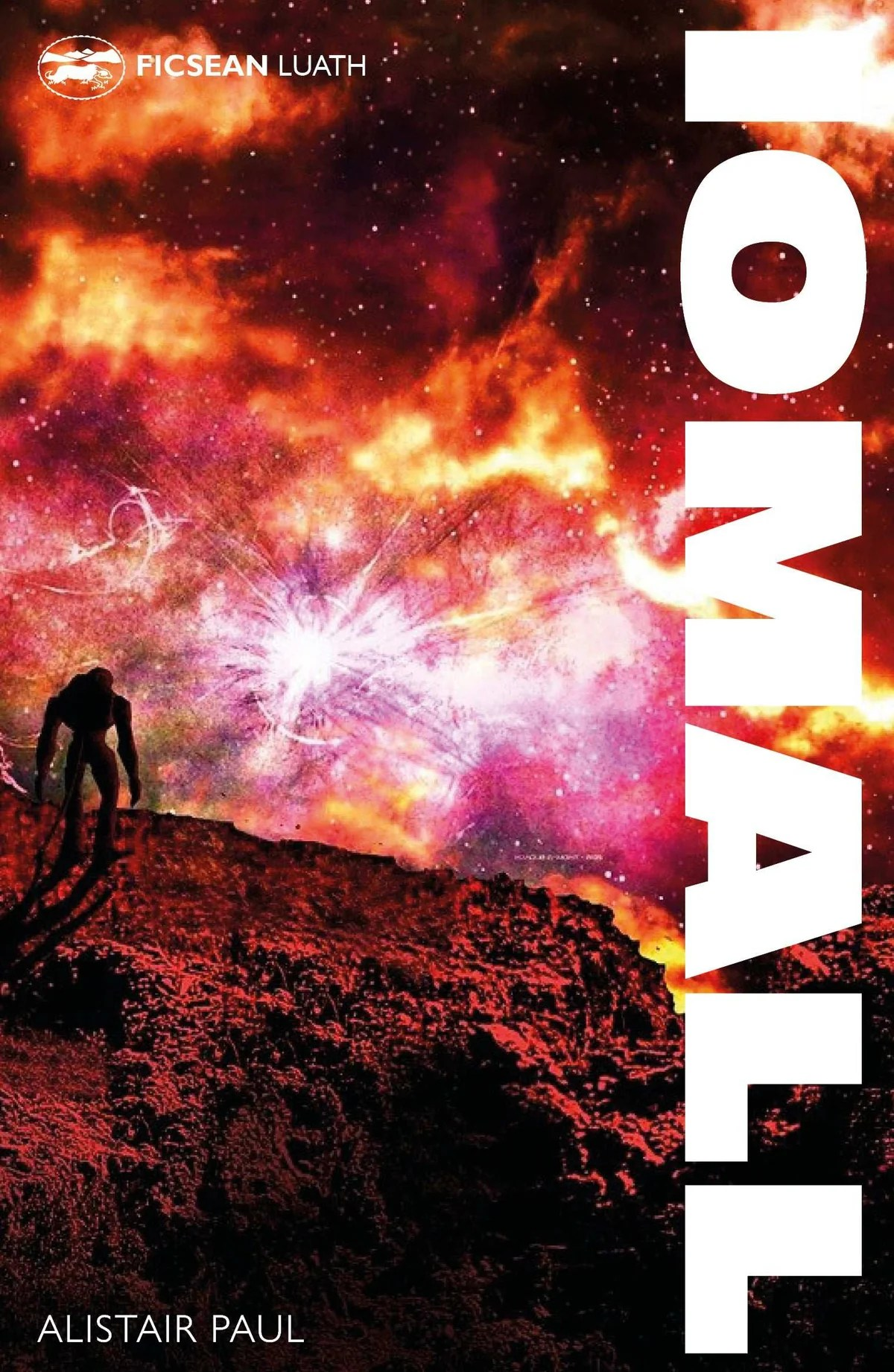
Dh’fhoillsich Nathaniel Harrington lèirmheas smaoineachail air Iomall le Alasdair Paul anns a’ Glasgow Review of Books seachdain sa chaidh a thug e orm beachdachadh bu dòcha gum bu chòir dhomh an leabhar aige a leughadh a-rithist. Thug Alasdair còir cothrom dhomh a leughadh mar dhreach corra bhliadhna air ais mar thaic ri pìos air ficsean-saidheans Gàidhlig a bha mi a’ sgrìobhadh aig an àm. Chòrd e rium gu mòr an uair sin, agus bha mi toilichte nuair a chunnaic mi gun tàinig e a-mach an clò o chionn greis. Rinn Luath Press deagh obair air a dhealbhadh, le còmhdach àlainn. Tha e glè tharraingeach, saoilidh mi. Mar sin, tha mi a’ dol a cheannach leth-bhreac, agus tha mi a’ dèanamh fiughar ri coinneachadh ris na sgeulachdan aige a-rithist. Mholainn an lèirmheas aig Nathaniel Harrington, agus mholainn Iomall, cuideachd. Tha e uamhasach math!
Powered by WPeMatico
Tadhail air Air Cuan Dubh Drilseach
Le lasairdhubh
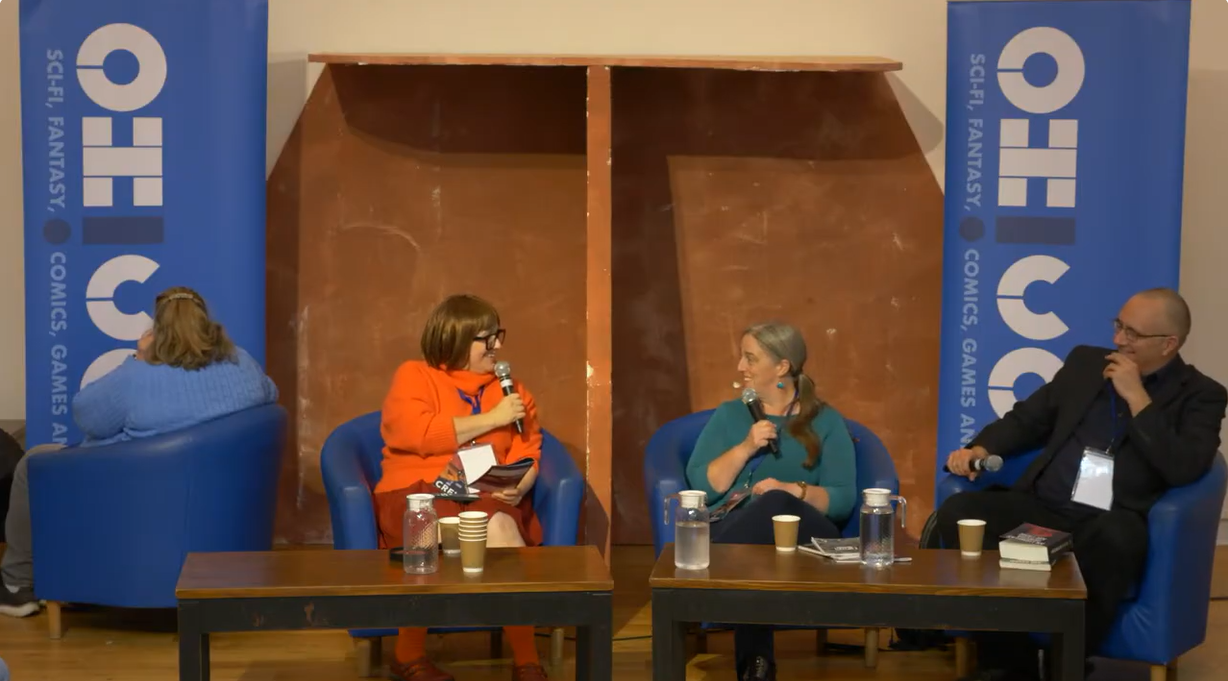
Bha tòrr spòrs agam aig OH!CON am bliadhna ann an Steòrnabhagh. Seo a’ chiad turas a bha mi a-riamh aig a’ cho-labhairt seo, agus bha e sgoinneil. Mholainn gu mòr e. Ceud taing dhan a h-uile duine a thàinig a dh’èisteachd dhuinn!
Powered by WPeMatico
Tadhail air Air Cuan Dubh Drilseach
Ann an 1960, chaidh an trèana smùid mu dheireadh a thogail airson lìonra rèile Bhreatainn – an Evening Star. Ochd bliadhna às dèidh sin, ruith an trèana smùid mu dheireadh aig BR.
Tha linn nan dìosalan a-nis a’ tighinn gu crìch cuideachd. Ann am beagan bhliadhnaichean, tha a h-uile coltas ann nach bi ach trèanaichean dealanach againn.
Saoilidh mi gu bheil sinn a-nis air 1960 a ruigsinn ann an sgeulachdan nan dìosalan agus nach tèid an còrr a thogail, ged a bhios iad againn fad iomadh bliadhna fhathast.
Dh’fhaodte gun tèid beagan trèanaichean dà-mhodhach a thogail fhathast a bhios dealanach agus le einnsein dìosail cuideachd – ach le cho luath ’s a tha an teicneòlas a’ tighinn air adhart, chan eil e idir cinnteach gum bi feum orra ro fhada.
Dh’fhoillsich an Riaghaltas gun deach trèanaichean dealanach dà-mhodhach ùr a cheannach airson Trans Pennine Express bho chionn ghoirid. Seo sgeulachd a’ BhBC mu na trèanaichean ùra. Bidh an dà chuid pantografan agus bataraidhean aig na trèanaichean spaideil ùra seo agus cha bhi einnseanan dìosail aca idir.

Tha Riaghaltas na h-Alba agus Riaghaltas Bhreatainn air a bhith ag amas air lìonra beag-carboin fad greis a-nis ach bha aon rud a’ cur bacadh orra – cho daor ’s a tha e uèirean dealain a chur an àird.
Tha iad an dòchas a-nis gun lìon na trèanaichean ùra le bataraidhean na beàrnan far nach eil loidhnichean dealain ann. Togaidh iad iad teàirrds fon na uèirean agus ruithidh iad air na bataraidhean ann an àiteachan eile.
Thathar air deuchainnean a dhèanamh air trèanaichean bataraidh sna beagan bhliadhnaichean mu dheireadh agus tha iad a-nis a’ ruith seirbheisean air pàirt de loidhne a tuath aig Merseyrail, agus meur-loidhne Greenford ann an Lunnainn (GWR). ’S e a th’ annta seo uile, ge-tà ach meur-loidhnichean goirid le trèanaichean gu math slaodach.

Gu ruige seo, cha robh an teicneòlas math gu leòr airson seirbheisean fada luath air a’ phrìomh loidhne. Tha an teicneòlas a’ sìor dhol am feabhas, ge-tà agus bidh na bataraidhean a’ lìonadh nas sgiobalta agus bidh na trèanaichean a’ dol nas fhaide is nas luaithe na bha agus tha iad a-nis comasach air seirbheisean prìomh loidhne a ruith.
Ged nach do dh’òrdaich ScotRail trèanaichean bataraidh dealanach fhathast, tha Còmhdhail Alba trang a’ dealanachadh loidhnichean ann am Fìobh agus loidhne nan Crìochan air an son. Is e dealanachadh breac no partial electrificaton a chanar ri seo. Thèid uèirichean a chur suas ach cha bhi an loidhne air fad air a dhealanachadh agus bidh na trèanaichean a ruith air bataraidhean eadar na uèirean.
’S e deagh naidheachd a tha seo gun teagamh – ach tha e a’ togail ceist no dhà.
Sa chiad dol a-mach, tha eagal air cuid gun cuir seo bacadh air a bhith a’ cur uèirean dealain suas agus air a bhith a’ lìonadh bheàrnan air an lìonra far am biodh uèirean feumail.
Tha e nas saoire a bhith a’ cleachdadh bhataraidhean an àite a bhith a’ dealanachadh nan loidhnichean ach chan eil e buileach cho uaine; agus nas cudromaiche chan eil bataraidhean freagarrach airson trèanaichean bathair fhathast. Tha trèanaichean bathair gu tric tòrr nas truime agus chan eil bataraidhean air an ìre sin a ruigsinn fhathast. A bharrachd air sin, aig an àm seo co-dhiù, tha trèanaichean bataraidh tòrr nas daoire na trèanaichean a tha a’ cleachdadh uèirean agus às dèidh greis, bidh an Riaghaltas air barrachd a chosg air trèanaichean bataraidh na bhiodh e air cosg gus na uèirean a chur suas agus gus trèanaichean dealanach àbhaisteach a cheannach.
Tha ceist ann cuideachd mu loidhnichean fada a tha fad air falbh bho dhealanachadh sam bith. Seo loidhnichean mar Loidhne na Gàidhealtachd an Iar, Loidhne a’ Chaoil agus Loidhne a’ Chinn a Tuath. Chan eil bataraidhean comasach na seirbheisean seo a ruith fhathast. Agus tha na trèanaichean air na loidhnichean seo uile gu math sean a-nis – chaidh an togail aig meadhan/deireadh nan 80an agus tha iad feumach air ùrachadh ach chan eil planaichean aig an Riaghaltas gus trèanaichean ùra fhaighinn fhathast.
Saoil am bi teicneòlas nam bataraidhean nas fheàrr mus tuit na 156s agus 158s air a’ Ghàidhealtachd às an cèile no am bi aig an riaghaltas ri trèanaichean dà-mhodhach le bataraidhean agus einnsean dìosail a cheannaich san eadar-àma?

Bhathar a’ moladh trèanaichean haidridein airson nan loidhnichean seo uair, ach ann an deuchainnean tha trèanaichean haidridean air a bhith gu math cosgail agus neo-earbsach agus mar sin, tha a h-uile coltas ann nach tachair sin. Air an làimh eile, ma thèid againn air a h-uile trèana aig ScotRail agus Great British Rail ann an Alba a ghluasad gu dealain, ach a-mhàin an fheadhainn air na loidhnichean fada air a’ Ghàidhealtachd a dh’ainmich mi gu h-àrd, sin dìreach mu 12 – 20 trèanaichean dealanach san latha agus tha iad a’ cleachdadh nas lugha de dhìosail an urra na làraidhean co-dhiù. Cha bu chòir dhuinn cus dragh a dhèanamh mu dheidhinn nan eimiseanan sin – chanainn gur e an rud as cudromaiche gum bi trèanaichean tarraingeach, ùr-nodha agus earbsach againn air na loidhnichean sin agus oidhirpean a dhèanamh gus carbon a ghearradh ann an raointean eile.
Ged a b’ fheàrr leam tòrr a bharrachd loidhnichean làn-dhealanach a bhith ann, ’s e adhartas mòr a th’ anns na trèanaichean bataraidh agus tha mi a’ cur fàilte orra. Tha mu 76% de na tursan rèile ann an Alba nan tursan dealanach agus nuair a bhios Cearcall Fìobh agus Loidhne na Crìochan dealanach, feumaidh gun cuir sin na figearan pìos nas àirde na 80%.
Bha an turas rèile smùid mu dheireadh ann an 1968. Saoil cuine a bhios an turas dìosail mu dheireadh ann am Breatainn – 2038 airson trèanaichean dìosal? 2058 airson trèanaichean dà-mhodhach le dìosal is dealain? Chì sinn!
Alasdair
Powered by WPeMatico
Tadhail air Trèanaichean, tramaichean is tràilidhean
Powered by WPeMatico
Tadhail air Blog Pàrlamaid na h-Alba
Le lasairdhubh

Ma bhios sibh faisg air Steòrnabhagh air Disathairne an treasamh latha dhen Dàmhair, tha mi a’ dol a bhith a’ bruidhinn anns an t-seisean Ghàidhlig aig OH!CON 2026. Nach tig sibh ann! Cha robh mi a-riamh aig a’ cho-labhairt seo, agus tha mi a’ dèanamh fiughair mhòr rithe. Chan eil mi buileach cinnteach fhathast dè seòrsa cruth a bhios air an t-seisean againn, ach ’s e an tiotal aige:“’S iomadh aon a mheall mi don bhrugh le binneas mo chiùil”: A’ cruthachadh sgeulachdan tuairmeasach Gàidhlig dhan 21mh linn, agus saoilidh mi gu bheil e a’ dol a bhith aibheiseach math!
Powered by WPeMatico
Tadhail air Air Cuan Dubh Drilseach
Bha mi a’ bruidhinn ri co-obraiche Fionlannach san oifis an-diugh. Bha e ag innse dhomh mun trèana motorail san Fhionnlainn.
Dè th’ ann am motorail?
’S e a th’ ann ach seirbheis trèana far am bi do chàr a’ dol air an trèana còmhla rut. Tha seirbheisean mar seo gu math goireasach ma tha thu a’ dol air turas fada is nach eil thu airson dràibheadh, ach nuair a tha càr a dhìth ort aig do cheann-uidhe.
Seo an lìonra motorail san Fhionnlainn.

Ach an robh fhios agad gun robh lìonra mòr againn ann am Breatainn uair? Chithear mapa gu h-ìosal den lìonra agus abair gun robh e coileanta – bha e a’ frithealadh a h-uile prìomh bhaile agus tha e follaiseach gun robh làithean-saora cudromach oir a bharrachd air bailtean-mòra, tha seirbheisean ann dhan Chùirn, Devon agus do Bhrockenhurst (airson an New Forest agus Eilean Wight). Bha ceanglaichean ann ri Èirinn cuideachd, taobh Abergwaun (Fishguard) agus ri tìr mòr na h-Eòrpa taobh Dover.

Thòisich an t-seirbheis ann an 1955 agus mhair e gu 1995. Thòisich e aig àm nuair a bha càraichean a’ sìor fhàs nas cumanta ach nach robh na rathaidean – no na càraichean fhèin – uamhasach freagarrach airson turasan fada.
Bha an t-seirbheis gu math goireasach is feumail ach chrìon àireamhan an luchd-chleachdaidh mean air mhean nuair a thàinig fàs air lìonra nam Mòr-rathaidean agus piseach air càileachd nan càraichean.
B’ e prìobhaideachadh an rud a chur às dhan t-seirbheis aig a’ cheann thall. Bha e a’ call airgid agus cha robh e uamhasach soilleir dè am francise anns am bu chòir dha a bhith. Mar sin, chaidh cur às dhan t-seirbheis nuair a bhathar ag ullachadh gus na rathaidean-iarainn a chur san roinn phrìobhaidich.
Is bochd nach eil e againn tuilleadh ach chan eil e idir coltach gun till an t-seirbheis oir bhiodh tòrr bun-structar a dhìth air agus is dòcha gum biodh na prìsean ro àrd airson dràibhearan an latha an-diugh, gu h-àraid le seirbheisean trèana nas luaithe, mòr-rathaidean nas fheàrr, càraichean màil saora agus EasyJet is Ryanair a-nis ann.
Alasdair
Powered by WPeMatico
Tadhail air Trèanaichean, tramaichean is tràilidhean